Property owners make decisions every day that affect the value of their homes and businesses. Renovations, landscaping, and security upgrades all contribute to the long-term appeal of a property. One improvement that continues to deliver practical and financial benefits is a hardwood paling fence North Shore. While it may seem like a simple boundary, a well-built hardwood fence supports property value, strengthens neighbourhood appeal, and provides lasting performance.
The North Shore is known for its established suburbs, quality homes, and attractive streetscapes. Because of this, many property owners look for fencing that complements the character of the area while standing up to changing weather conditions. Hardwood paling fencing has remained a popular choice because it combines natural beauty with exceptional durability.
For homeowners, a quality fence creates privacy and security. For businesses and investors, it improves the presentation of a property while protecting valuable assets. When viewed from both a business and political perspective, investing in quality fencing also contributes to stronger communities by supporting local trades, sustainable building practices, and responsible property maintenance.
Hardwood Paling Fences Strengthen Property Value and Local Investment
Real estate professionals often highlight first impressions as one of the biggest influences on property value. Before buyers inspect the interior of a home, they notice the front yard, landscaping, driveway, and fencing. A worn or damaged fence can reduce the appeal of an otherwise well-maintained property, while a professionally installed hardwood paling fence creates a positive impression immediately.
North Shore homeowners frequently invest in premium landscaping and outdoor improvements. Hardwood fencing naturally complements these features because of its rich colour, strong texture, and timeless appearance. Unlike some modern materials that may fall out of fashion, timber fencing continues to suit both traditional and contemporary homes.
Property investors also recognise the financial value of durable fencing. Rental properties benefit from secure boundaries that require fewer repairs and provide greater privacy for tenants. This can improve tenant satisfaction while reducing ongoing maintenance costs for landlords.
Local businesses experience similar advantages. Offices, childcare centres, cafés with outdoor seating, and professional services often use timber fencing to create welcoming outdoor spaces while maintaining privacy and security. Attractive premises strengthen customer confidence and reinforce a professional business image.
A quality hardwood paling fence also supports long-term budgeting. Although hardwood may involve a higher upfront investment than some alternative materials, its durability often reduces repair and replacement costs over many years. This makes it a cost-effective solution for both residential and commercial property owners.
Beyond individual properties, consistent maintenance across neighbourhoods helps preserve the overall appearance of North Shore communities. Streets with attractive fencing, landscaped gardens, and well-maintained homes often retain stronger property values over time, benefiting everyone in the area.
Quality Hardwood Supports Sustainable Local Development
Business decisions today increasingly consider environmental responsibility alongside financial performance. Many property owners now look for building materials that provide both durability and sustainability. Responsibly sourced hardwood meets these expectations while delivering outstanding structural performance.
Hardwood species commonly used for paling fences are valued for their natural strength and resistance to everyday wear. Their density allows them to withstand changing weather conditions, making them particularly suitable for Sydney’s climate.
Because hardwood fencing lasts for many years when properly maintained, fewer materials are required for replacement over time. This reduces waste and lowers the environ mental impact associated with frequent reconstruction.
Many Australian timber suppliers also source hardwood from responsibly managed forests that follow sustainable harvesting practices. Supporting these suppliers contributes to local industries while encouraging responsible environmental management.
The installation process also supports local economic activity. Fence construction creates work for contractors, timber suppliers, transport companies, hardware retailers, landscapers, and other skilled trades. Every fencing project contributes to the broader local economy while improving the quality of residential and commercial properties throughout the North Shore.
For councils and local governments, encouraging property maintenance also supports broader community goals. Well-maintained neighbourhoods often experience higher community pride, stronger investment, and improved public presentation. While fencing may seem like a small improvement, its cumulative impact across an entire suburb can be significant.
Hardwood Paling Fence for Long-Term Success
Every property has different requirements, which is why careful planning is essential before installing a new fence. A hardwood paling fence should not only define a boundary but also complement the property’s architecture, landscaping, and intended use. Working with experienced fencing professionals helps property owners make informed decisions that provide value well into the future.
The first consideration is selecting the right hardwood. Australian hardwoods are known for their strength, durability, and natural resistance to harsh weather conditions. Choosing a quality timber ensures the fence can withstand daily exposure to sunlight, rain, and seasonal temperature changes while maintaining its structural integrity.
Fence design is equally important. Some homeowners prefer a traditional paling fence that offers complete privacy, while others choose decorative features such as capping, exposed posts, or lattice extensions to enhance visual appeal. Businesses may require taller fencing for additional security without sacrificing a professional appearance. Selecting a design that suits the property’s purpose creates a better balance between function and aesthetics.
Professional installation plays a major role in the lifespan of the fence. Proper post spacing, accurate alignment, and secure foundations all contribute to long-term stability. Experienced contractors understand how soil conditions, drainage, and sloping land affect construction, allowing them to build fences that remain straight and secure for many years.
Routine maintenance also protects the investment. Although hardwood is naturally durable, occasional cleaning, staining, or sealing helps preserve its appearance and shields the timber from moisture and prolonged sun exposure. Addressing small repairs early prevents more significant problems from developing later, extending the life of the fence and reducing maintenance costs.
Property owners should also consider local council requirements before beginning construction. Fence height, boundary placement, and neighbourhood regulations may vary depending on the location. Working with knowledgeable contractors helps ensure the project complies with applicable guidelines while avoiding unnecessary delays or disputes with neighbouring properties.
From a business perspective, choosing reputable fencing specialists reduces risk. Established contractors provide detailed quotations, realistic project schedules, quality workmanship, and warranty support. This level of professionalism gives homeowners and commercial property owners confidence that their investment is protected from the start.
A hardwood paling fence in North Shore offers benefits that extend well beyond privacy. It strengthens property presentation, supports long-term asset value, and contributes to the overall appeal of the surrounding community. For businesses, it creates a professional exterior that reflects pride in the property. For homeowners, it delivers security, durability, and an outdoor environment that feels welcoming and complete.
As demand for quality homes and commercial properties continues to grow across the North Shore, investments that improve both appearance and functionality become increasingly important. Hardwood fencing remains one of the most reliable upgrades because it combines timeless design with practical performance.
Choosing quality materials and experienced installers ensures the fence continues to perform for decades rather than just a few years. It is an investment that supports responsible property ownership, strengthens local businesses, and enhances neighbourhood appeal. Whether improving a family home, upgrading an investment property, or enhancing a commercial site, a professionally installed hardwood paling fence in North Shore remains a smart decision that delivers lasting value.
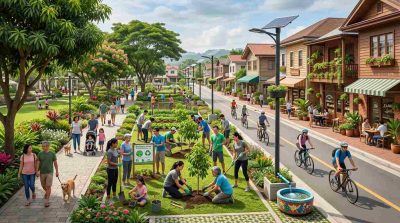 Every day, businesses across the nation have to make decisions on packaging, energy, transportation and waste. Adopting re-usable materials and cutting down on unnecessary packaging, as well as adopting resource efficiency can help businesses reduce their impact. These changes could also help to make customers and surrounding businesses more aware of their own consumption patterns.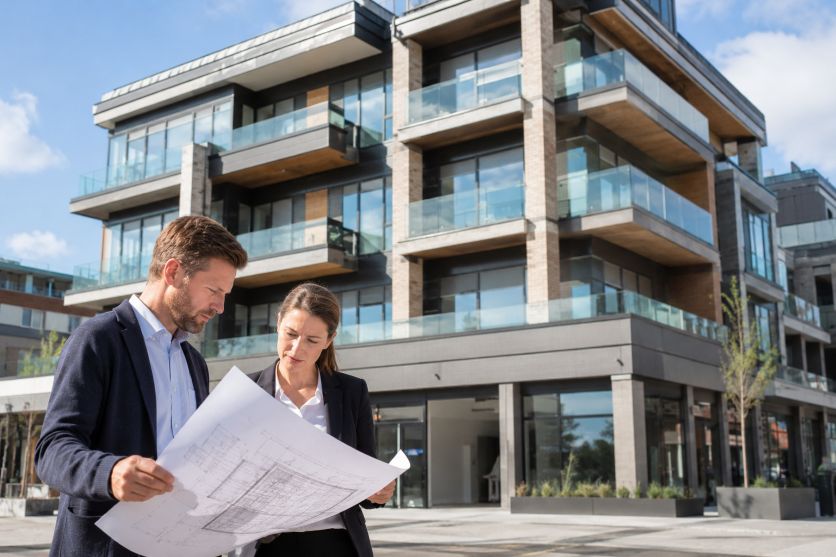


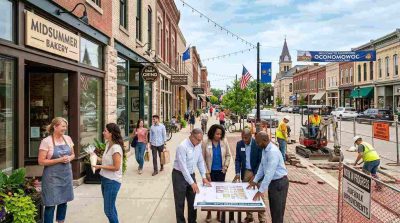 Some of the areas where an employer is still finding it difficult to find skilled employees. This shortage of workers is being addressed by business, education and government. Job training programs geared to employers’ needs offer residents important career prospects.


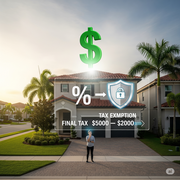 Public Schools

 Critics say it encourages governments to put profit before people’s health and the cost of medications. Contributions to political campaigns, for instance, may sway laws that regulate clinical trials or set prices for medications.
 Because political elections are now mostly paid for by private donors, big donors and special interest groups have a lot of power over politicians. This can make policy choices favor wealthy people, which goes against the idea of equal representation.













 mental impact associated with frequent reconstruction.
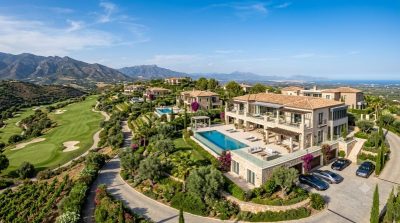 Scarcity is one of the hallmarks of the finest residential developments in Europe. Exclusive communities often limit development and enforce strict development requirements that ensure the community remains attractive for many years to come.
 Cities like Vienna continue to grow as more people move for work, education, and business opportunities. With this growth comes a rising demand for efficient housing management, property maintenance, and urban organization. One service that quietly supports these systems is apartment clearance.
 Hosting a networking or political gathering at home changes how people see your space. Guests notice the atmosphere, the comfort level, and even the small details that show preparation. A clean, organized home sets the tone before any conversation begins. It signals respect for the people attending and helps the event run smoothly.
 In business and politics, what’s beneath the surface often determines long-term stability. A spotless appearance means nothing if the foundation underneath is weak or ignored. In the same way, shiny tiles mean little when the grout between them is filled with dirt and mold. The principle is simple — success, whether in governance or business, relies on the willingness to clean up what most people overlook.